● Cut down on caffeine intake: Start reducing caffeine intake two weeks before Ramadan to avoid headaches and maintain good health.
● Break your daily fast with dates: Have 1–3 dates to boost your energy and fiber intake. Avoid overeating dates, as every 3 small pieces contain 70 calories!
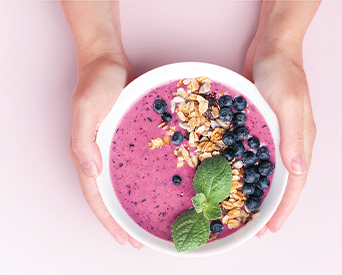
● Avoid sugary drinks and juices: To help regulate your blood sugar level and avoid sugar cravings, consume whole fruits or healthy smoothies instead.
● Have a balanced Iftar meal:
- Start with a salad or vegetable soup as an appetizer to boost your fiber intake.
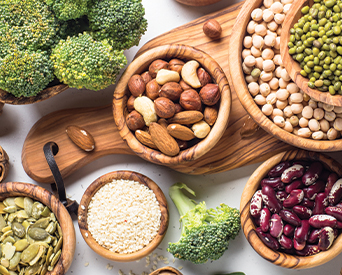
- Include a main dish with proteins (e.g., lean meat, chicken breast, or baked fish) and complex carbohydrates (e.g., brown rice, beans, or whole-grain pasta).
- Use moderate amounts of vegetable oil while cooking, and avoid frying.
- Add a side of raw or cooked vegetables.
● Reduce spices and salt since they trigger thirst the next day.
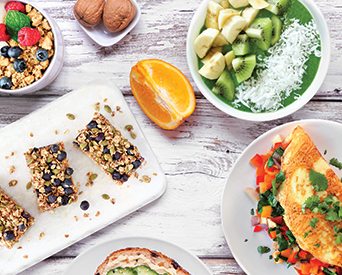
● Have a healthy Suhoor, containing carbohydrates and protein-rich foods like oatmeal with milk and dried fruits or a whole-grain bread sandwich with eggs, chicken, or cheese with vegetables.
● Maintain a regular exercise routine: Take a brisk walk daily for 20–30 minutes before Iftar, after a light Iftar (water, salad, dates, and soup), or after a well-balanced Suhoor. This helps boost your metabolic rate and maintain your fitness.
● Sleep well: Aim for 7–8 hours of sleep to preserve vitality and boost metabolism.
ONE DAY SAMPLE MENU
Iftar:
• 1 glass of water with lemon slices + 3 dates
• 1 bowl of vegetable soup
• Main dish: Grilled chicken breast and brown rice, sprinkled with cashew nuts
• 1 bowl of steamed mixed vegetables
Snacks:
• 1 cup of fruit salad with chia seeds
• 1 cup of low-fat yogurt
Suhoor:
• 1 cup of oat porridge
• Whole-grain sandwich with boiled eggs, topped with fresh vegetables
• Plenty of water!